Quartz vs mechanical watches is one of the most fundamental considerations you’ll face when investing in a luxury watch from brands like Rolex, Omega, or Cartier. Both have their devoted followers, and understanding the differences will help you select the perfect timepiece for your lifestyle and preferences.
Mechanical watches represent centuries of horological tradition. These timepieces are powered by a mainspring that must be wound either manually or automatically through the motion of your wrist. The energy transfers through an intricate series of gears, springs, and levers, culminating in the steady sweep of the seconds hand across the dial.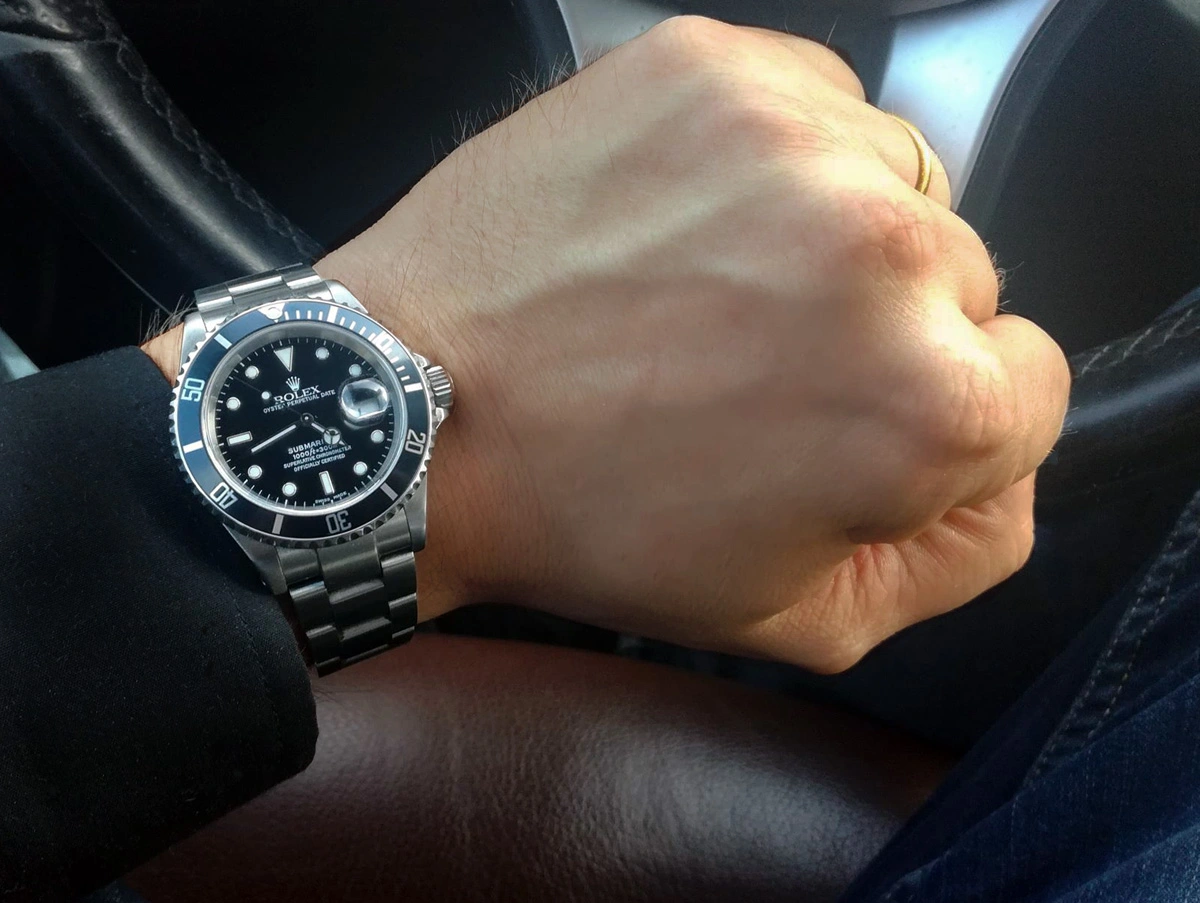
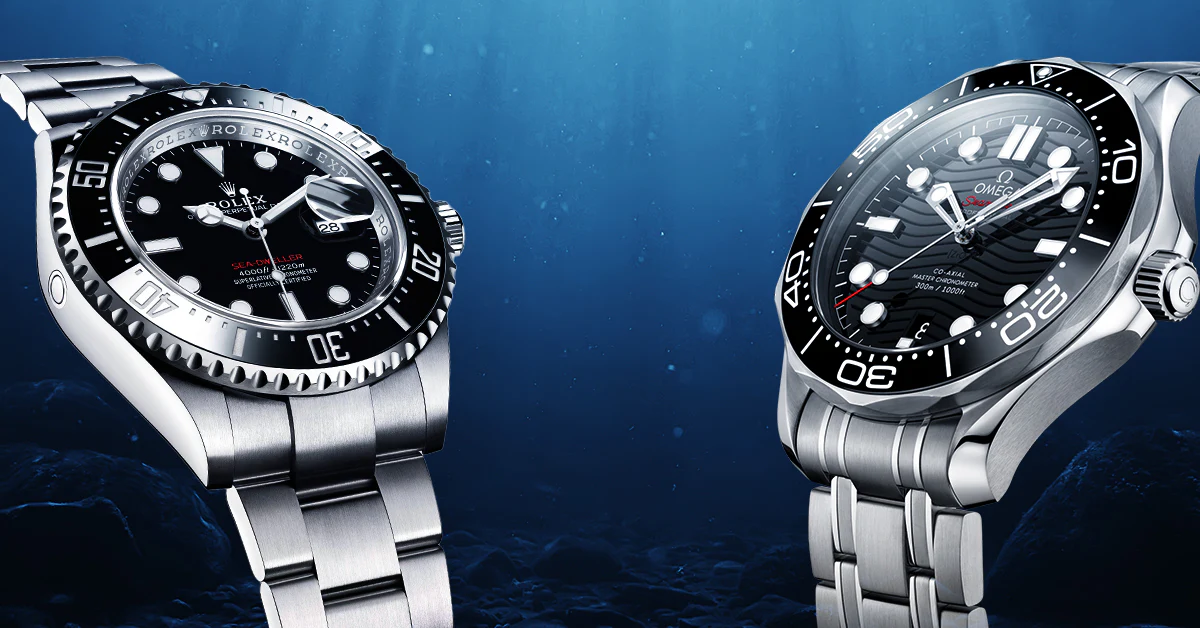
Rolex has built its legendary reputation primarily on mechanical movements. The brand’s in-house calibers, like the perpetual rotor automatic movement, are testaments to precision engineering. Models such as the Submariner and Datejust showcase mechanical excellence that has remained virtually unchanged in philosophy for decades. Rolex’s commitment to mechanical watchmaking reflects their dedication to traditional craftsmanship, with each movement assembled and regulated by skilled watchmakers.
Omega similarly champions mechanical innovation, particularly with their Co-Axial escapement technology. This revolutionary mechanism reduces friction within the movement, improving long-term accuracy and extending service intervals. The Seamaster and Speedmaster collections demonstrate how Omega balances heritage with innovation, offering METAS-certified Master Chronometer movements that resist magnetic fields up to 15,000 gauss.
The advantages of mechanical watches include their craftsmanship, the smooth sweeping motion of the seconds hand, and the absence of battery replacements. Many collectors appreciate the connection to horological history and the engineering marvel visible through exhibition casebacks. However, mechanical watches require regular servicing every 3-5 years, can be less accurate than quartz (typically +/- 2-10 seconds per day), and often come with a higher initial investment.
Quartz movements revolutionized watchmaking in the 1970s. These battery-powered mechanisms use a quartz crystal oscillator that vibrates at a precise frequency when electricity passes through it. This results in exceptional accuracy, typically within +/- 15 seconds per month, far surpassing most mechanical movements.
No discussion of quartz watches would be complete without acknowledging Seiko’s pivotal role in horological history. In 1969, Seiko released the Astron, the world’s first production quartz wristwatch, fundamentally changing the watch industry forever. This wasn’t simply an incremental improvement—it was a paradigm shift that triggered what became known as the “Quartz Crisis.”
The Quartz Crisis of the 1970s and 1980s saw traditional Swiss watchmakers struggle to compete with the superior accuracy and lower production costs of quartz technology. Many historic brands failed or were forced to consolidate. Seiko’s innovation demonstrated that precision timekeeping no longer required hundreds of tiny mechanical components painstakingly assembled by hand. A battery, a quartz crystal, and an integrated circuit could outperform even the finest mechanical chronometers at a fraction of the cost.
Today, Seiko continues to excel in quartz watchmaking, offering exceptional value and reliability. Their quartz movements power everything from affordable everyday watches to their elegant Presage and Prospex collections. Seiko proves that quartz technology can deliver both precision and prestige, making luxury more accessible without compromising on quality or craftsmanship in case finishing and dial work.
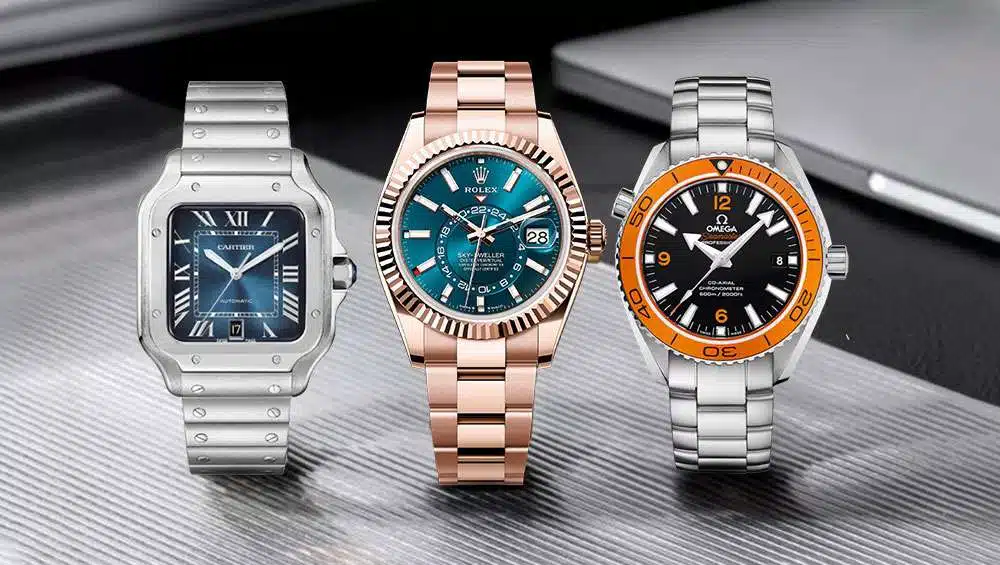
Cartier has embraced quar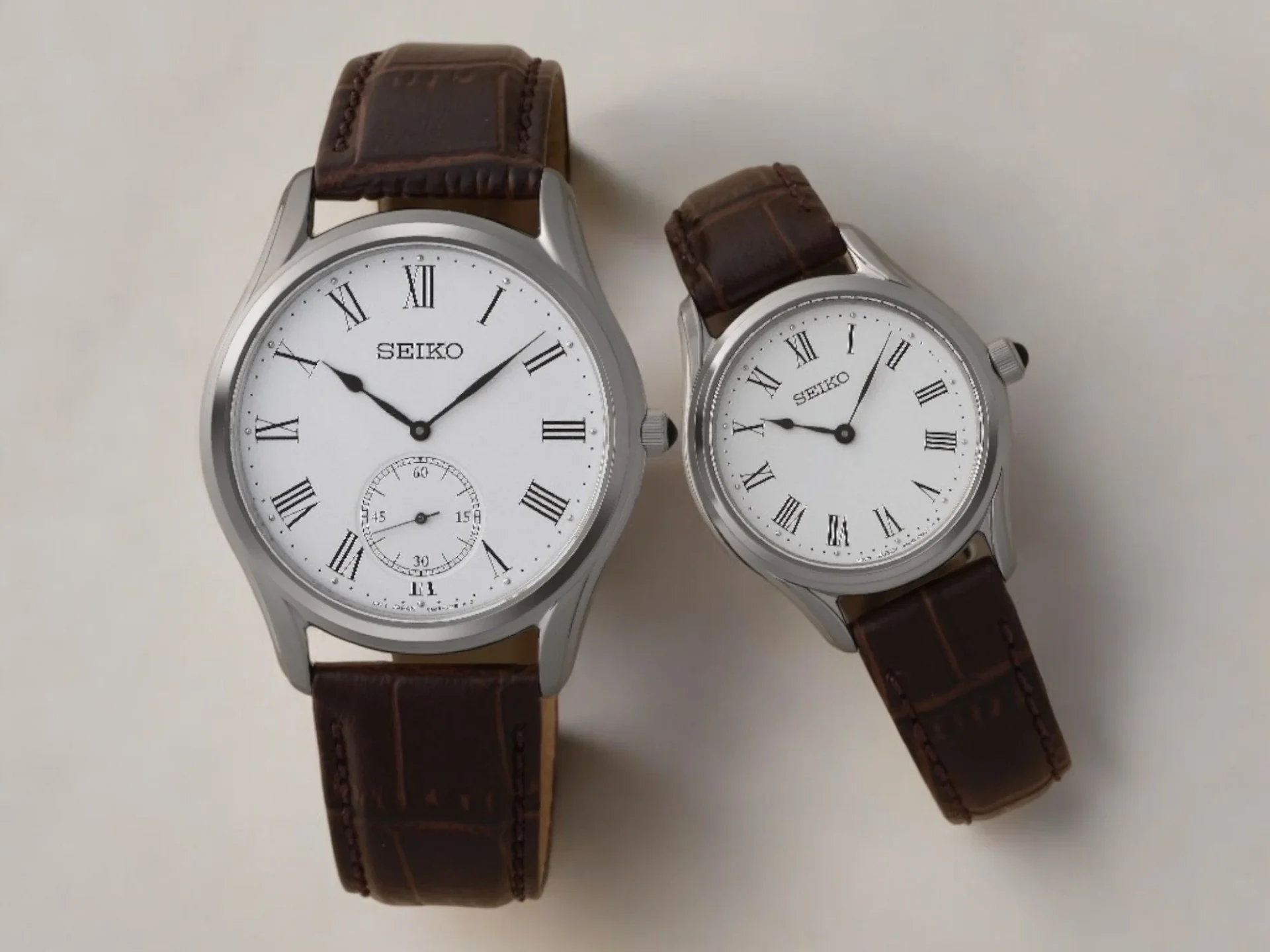 tz technology across many of their iconic collections. The Tank Française and Ballon Bleu models are frequently offered with quartz movements, allowing the brand to focus on what they do best: exceptional design and case finishing. Cartier’s quartz watches prove that battery power doesn’t diminish luxury or prestige. Their thin quartz calibers enable sleeker case profiles that enhance the elegant aesthetics for which Cartier is renowned.
Omega also produces exceptional quartz timepieces, particularly in their Constellation collection. These watches often feature chronometer-certified quartz movements that meet even stricter accuracy standards than mechanical chronometers. Omega’s quartz expertise demonstrates that the technology deserves respect in haute horlogerie.
Even Rolex has ventured into quartz territory with their Oysterquartz models, though these are now discontinued and have become collector’s items. This brief foray showed that even the most traditional mechanical watchmakers recognised quartz’s technical merits.
Quartz watches offer superior accuracy, lower maintenance requirements (typically just battery changes every 2-3 years), and often more affordable price points. They’re ideal for those who prioritize precision and convenience. The ticking seconds hand and lack of mechanical complexity are considerations for traditionalists, though many wearers find these aspects inconsequential.
When it comes to quartz vs mechanical watches, it ultimately depends on what you value most in a timepiece.
Choose mechanical if you appreciate traditional craftsmanship, enjoy the ritual of winding or the automatic nature of wrist-powered movements, value the sweeping seconds hand, and see your watch as a connection to horological heritage. Mechanical watches are often preferred by collectors and those who view their timepiece as a mechanical work of art.
Choose quartz if accuracy is paramount, you prefer low-maintenance timekeeping, you want a slimmer watch profile, or you’re seeking better value in entry-level luxury pieces. Quartz is perfect for those who view their watch primarily as a reliable tool and fashion accessory.
Many watch enthusiasts eventually own both types, selecting based on occasion and mood. A mechanical Rolex Submariner might be your weekend companion, while a quartz Cartier Tank serves as your elegant weekday dress watch. There’s no wrong choice, only the right watch for the right moment.
Whether you’re drawn to the romantic complexity of mechanical movements or the modern precision of quartz technology, Rolex, Omega, and Cartier offer exceptional examples of both. Book an appointment today to visit us in our Brighton office – we are here to guide you through the nuances of each collection and help you find the perfect watch to mark your moments for years to come. Also keep an eye out for our new Luxury Watch Group showroom opening at the end of this month, located on North Road, Brighton.
The right watch isn’t necessarily a battle of quartz vs mechanical watches – it’s about finding the timepiece that resonates with your personal style and how you live your life.
Enjoyed reading? Check out our other blogs here
No account yet?
Create an Account