




Within the world of mechanical watches lies a fundamental choice that affects how you interact with your timepiece daily: automatic (self-winding) vs manual wind watches. Both represent the pinnacle of traditional watchmaking, yet they offer distinctly different ownership experiences. Understanding these differences will help you select a mechanical watch that suits your lifestyle and appreciation for horological craftsmanship.
Manual wind watches represent the purest form of mechanical watchmaking, virtually unchanged in principle since the 16th century. These movements require the wearer to wind the crown daily, typically between 30-40 half-turns, to fully tension the mainspring. This spring then slowly unwinds over the course of 38-72 hours (depending on the power reserve), releasing energy through the gear train to power the watch.
The ritual of winding creates an intimate connexion between owner and timepiece. Each morning, you physically engage with the mechanism, feeling the resistance of the mainspring as it tightens, hearing the subtle clicks of the crown’s ratchet wheel. It’s a meditation on time itself, a moment of mindfulness before the day begins.
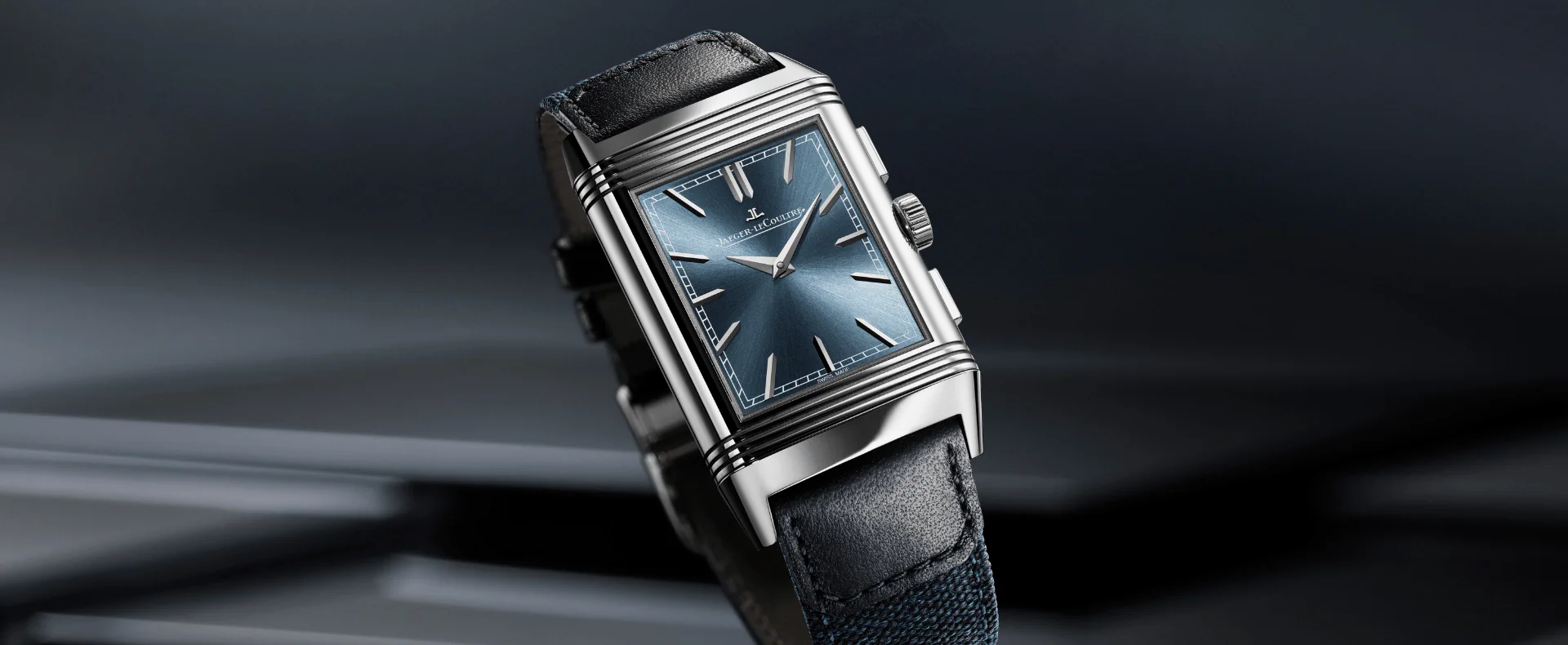
Jaeger-LeCoultre has long been revered as one of the finest creators of manual wind movements. Their expertise in ultra-thin calibers is legendary. The Master Ultra Thin collection showcases manual winding at its most refined, with movements measuring just over 3mm thick. The iconic Reverso, originally designed in 1931 for polo players, remains one of watchmaking’s most celebrated manual wind designs, its Art Deco case flipping to protect the dial during sport.
JLC’s Calibre 822/2 and 849 movements demonstrate why manual wind watches can be so elegant. Without the automatic winding rotor, these movements are slim, allowing for dress watches of remarkable thinness and grace. The watchmaker’s attention to finishing—Côtes de Genève, perlage, bevelled edges—is fully visible through exhibition casebacks, unobstructed by winding mechanisms.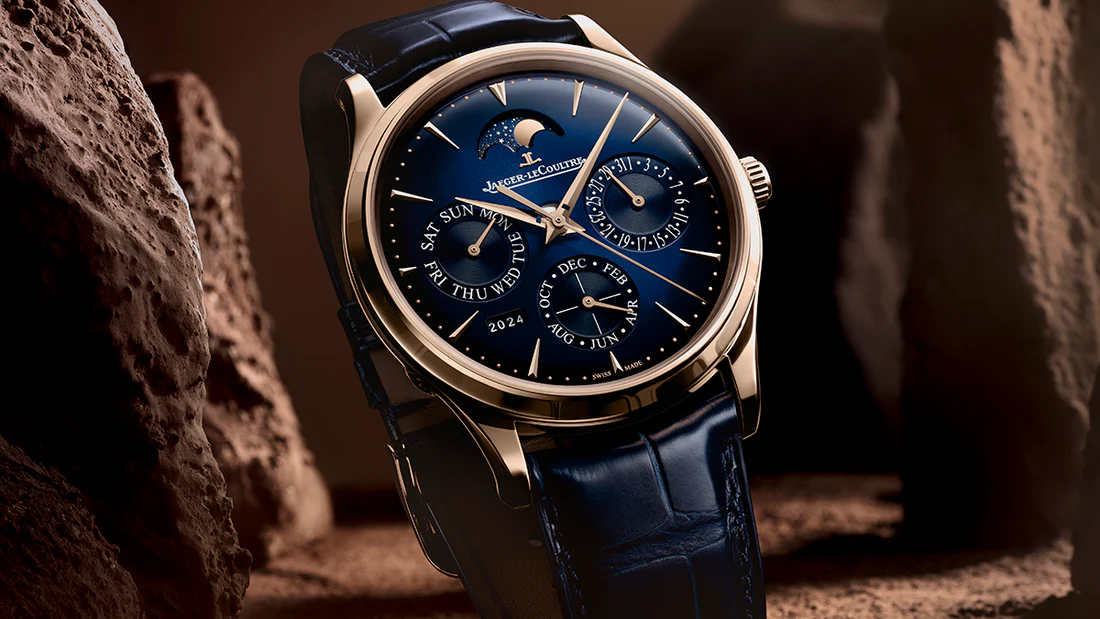
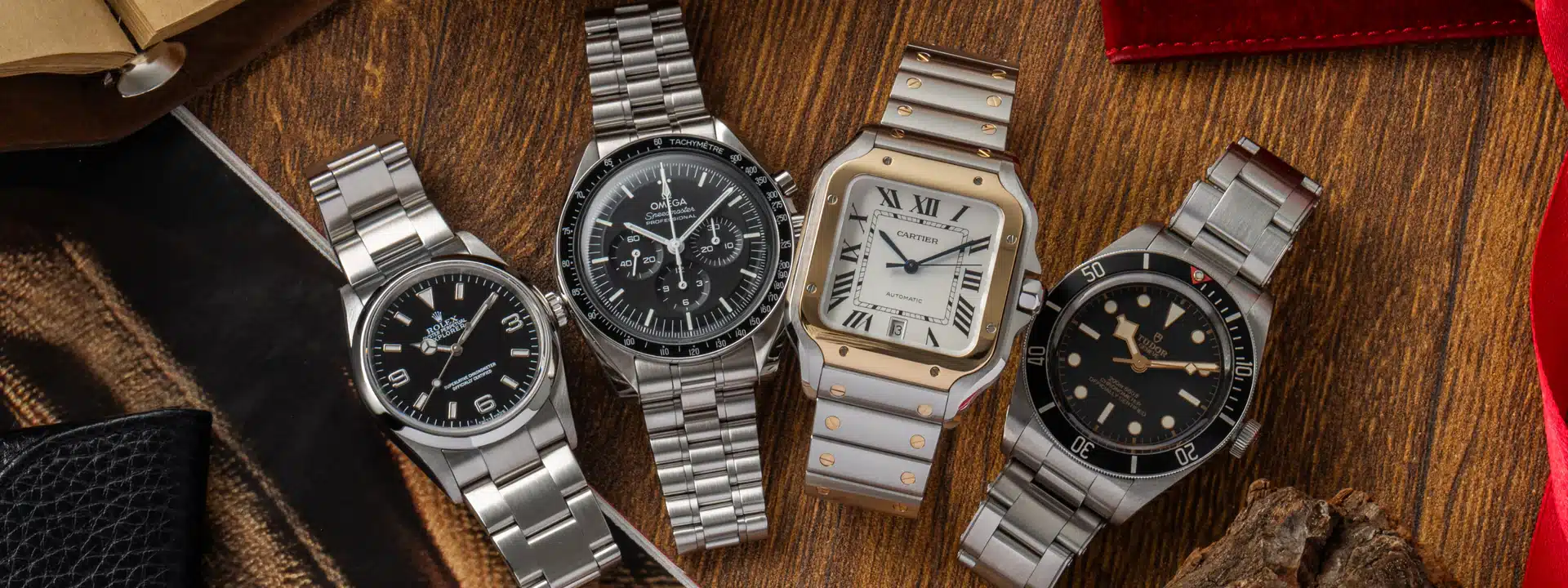
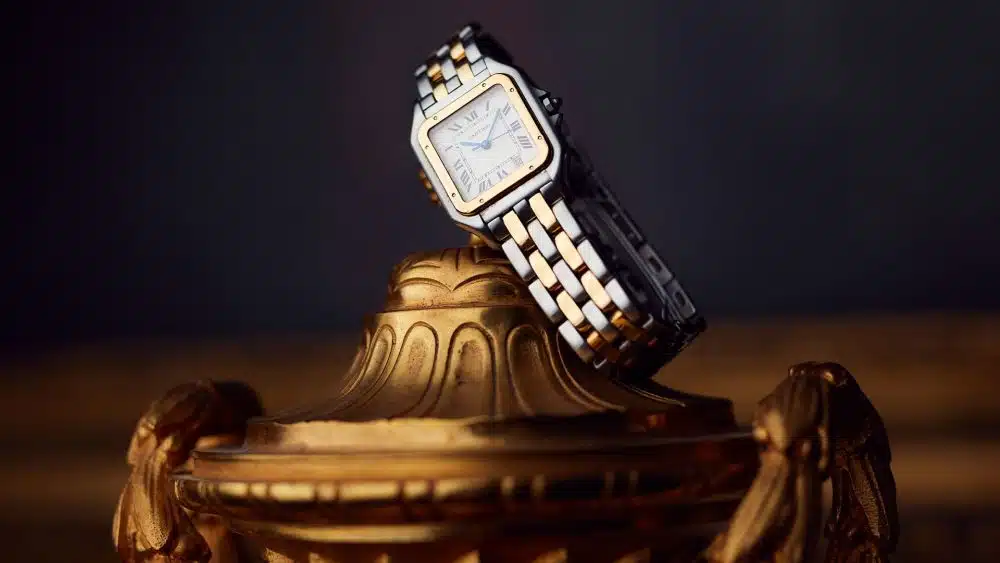
Cartier also embraces manual wind movements, particularly in their dress watch collections. The Tank and Santos lines often feature hand-wound calibers that complement the watches’ slim, elegant profiles. Cartier’s manual wind pieces prioritise aesthetic purity, allowing the iconic case designs to remain as slim and refined as possible.
Automatic or self-winding movements eliminate the need for daily winding through an ingenious invention: the rotor. This semi-circular weighted component pivots freely on bearings within the movement. As you move your wrist throughout the day, the rotor spins, and through a series of gears and a clutch mechanism, this motion winds the mainspring automatically.
Developed in the 18th century but perfected in the 20th, automatic movements offer convenience without sacrificing mechanical tradition. Wear your watch regularly, and it remains perpetually wound, ready to tell time without intervention.
Rolex didn’t invent the automatic movement, but they perfected it. In 1931, Rolex patented the “Perpetual” rotor, a full 360-degree rotating mass that could wind in both directions—a significant improvement over earlier designs that only wound in one direction. This innovation made automatic watches practical for everyday wear.
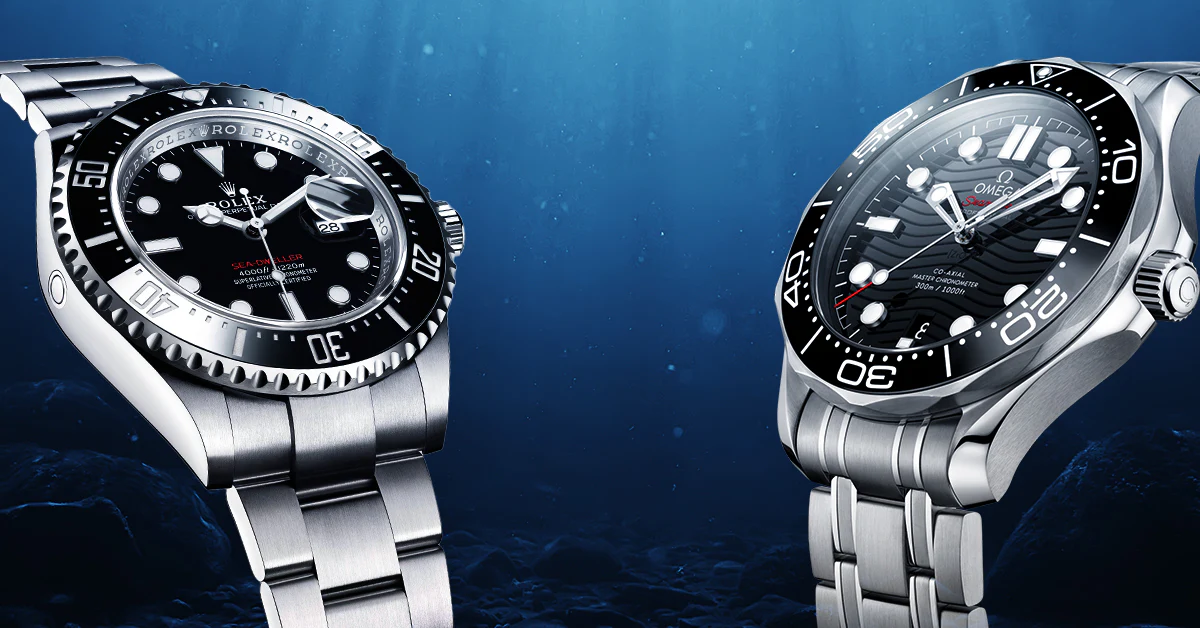
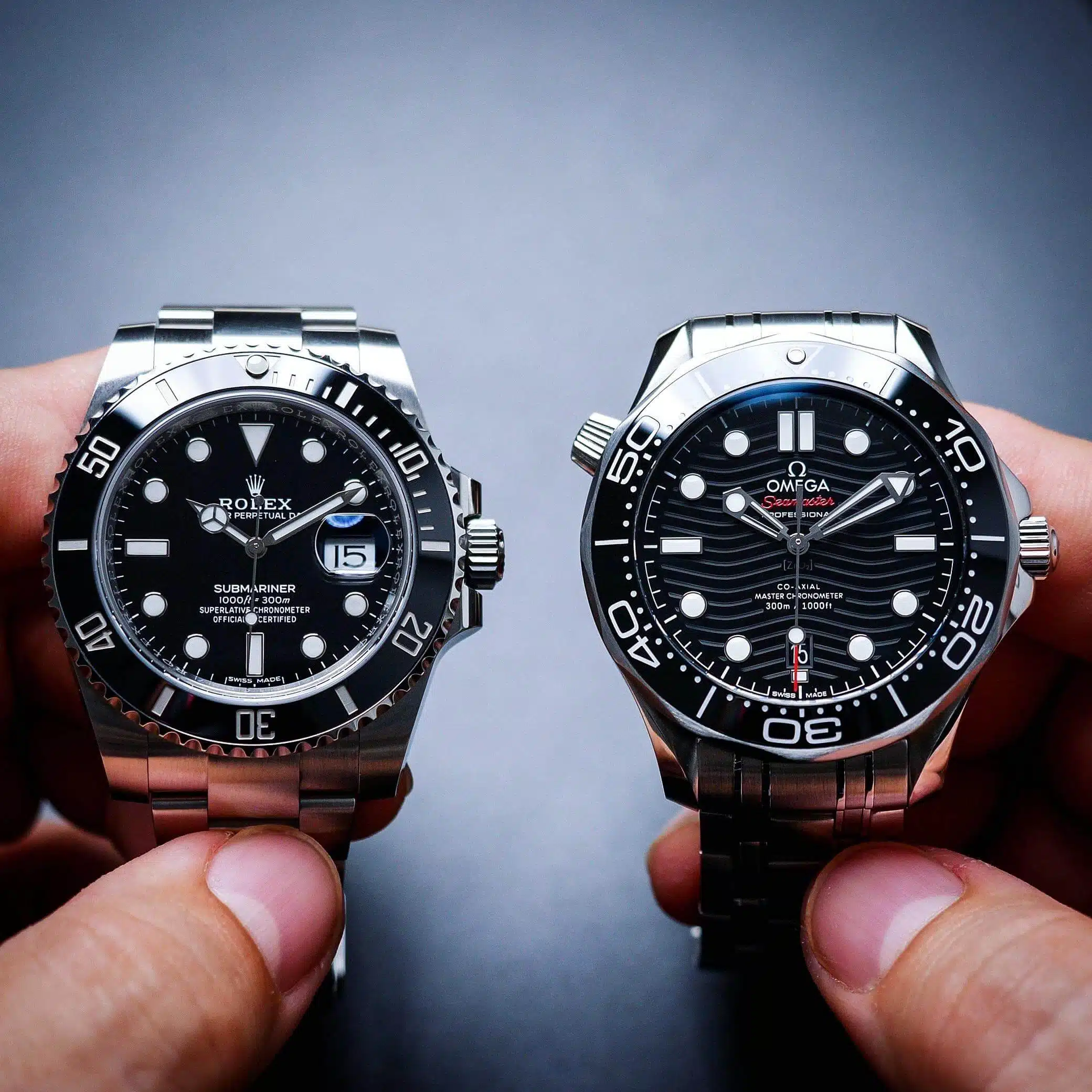
Today, virtually every Rolex watch features an automatic movement. From the Submariner to the Datejust, GMT-Master to the Day-Date, Rolex’s commitment to self-winding technology reflects their philosophy: create reliable tool watches that simply work. The brand’s automatic calibers, like the 3235 and 3285, offer 70-hour power reserves, ensuring your watch keeps running through a weekend off the wrist.
Rolex’s Parachrom hairspring and Chronergy escapement represent continual refinement of automatic technology, improving shock resistance and efficiency. The visible rotor, often visible through modern exhibition casebacks, bears the Rolex crown, spinning gracefully with each movement.
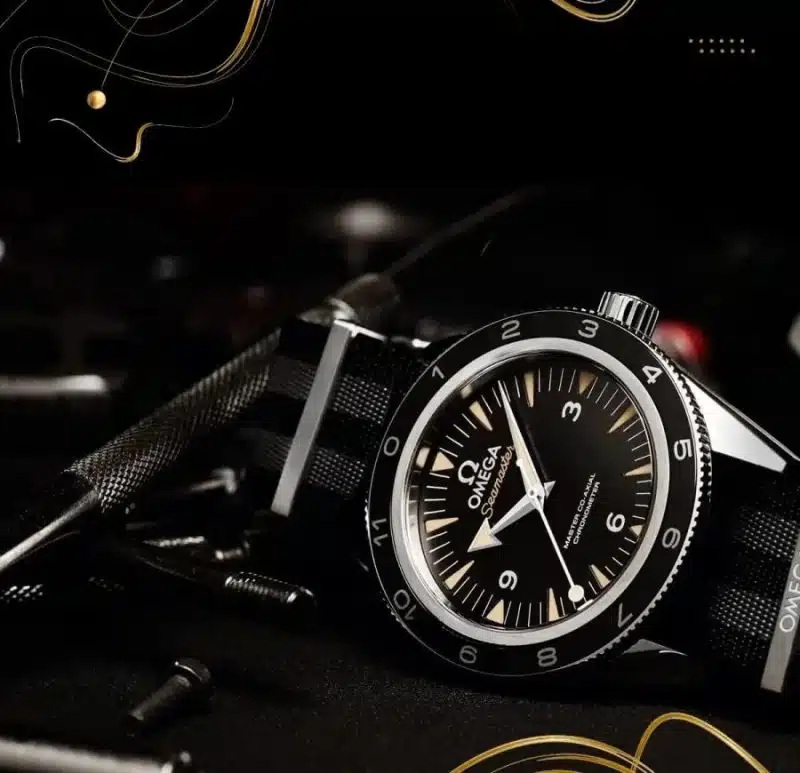
Omega has pushed automatic movement technology into new territory with their Co-Axial escapement and Master Chronometer certifications. Their automatic calibers combine historical excellence with cutting-edge innovation.
The Seamaster and Speedmaster Professional collections showcase Omega’s automatic expertise. While the original Speedmaster was manual wind (and the Moonwatch remains so for historical authenticity), most modern Speedmasters feature automatic caliber 9300 series movements. These self-winding chronographs offer 60-hour power reserves and are certified to withstand magnetic fields of 15,000 gauss—essential for modern life filled with electronic devices.
Omega’s bi-directional rotor winding, like Rolex’s, maximises efficiency. Every wrist movement contributes to keeping the watch wound, making these timepieces perfect for active lifestyles. The arabesque Geneva waves decorating Omega’s rotors add visual appeal to the functional component.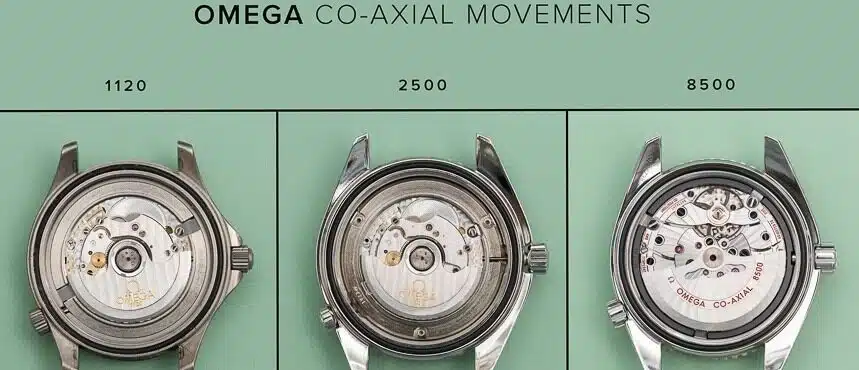
However, Omega hasn’t abandoned manual wind movements entirely. The Speedmaster Professional Moonwatch—the very watch worn on the Moon in 1969—remains faithfully manual wind to this day. Powered by the hand-wound Calibre 1861 (and more recently, the upgraded 3861 with Co-Axial escapement), the Moonwatch preserves its original configuration as a tribute to space exploration history.
This decision to keep the Moonwatch manual wind is deliberate. NASA’s original certification was for this specific manual movement, and Omega honours that legacy. The manual wind caliber also contributed to the watch’s reliability in space—no rotor to potentially malfunction in zero gravity, and astronauts could precisely monitor power reserve through controlled winding. For collectors, winding a Moonwatch creates a tangible link to the astronauts who performed the same ritual before historic missions.
Manual wind movements offer several distinct benefits. They’re typically thinner because they lack the rotor mechanism, making them ideal for elegant dress watches that slip easily under a shirt cuff. The absence of a rotor also means watchmakers can finish the movement’s bridges and plates more elaborately, as the entire mechanism remains visible.
The daily winding ritual appeals to purists who appreciate the tactile connection to their timepiece. There’s a romantic quality to manually powering your watch, a recognition that fine mechanical objects require care and attention. For collectors who rotate watches frequently, manual wind pieces don’t suffer from the stopped rotor that can occur when automatics sit unworn.
Manual movements can also be more robust in certain ways. With fewer components—no rotor, no automatic winding mechanism—there are fewer parts to potentially malfunction. Servicing can sometimes be simpler and less expensive.
Automatic movements excel in everyday convenience. Once on your wrist, they require no thought, no ritual, no remembering to wind. For those who wear the same watch daily, this is ideal. The watch is simply always ready, always running, demanding nothing but regular wear.
Modern automatic movements often feature longer power reserves than their manual counterparts, typically 48-72 hours compared to 38-50 hours. This means your watch will likely keep running through a weekend, even if you switch to another timepiece on Saturday morning.
For sports and tool watches, automatic winding makes practical sense. A diver doesn’t want to wind a crown underwater; a pilot needs a watch that stays wound during long flights. This is why virtually all professional watches from Rolex and Omega feature automatic movements.
The transparent caseback revealing a decorated rotor in motion has its own appeal. Watching the rotor spin and glide as you move your wrist provides a mesmerising view of mechanics at work, a reminder that your timepiece is alive and responding to your movements.
Your choice between automatic vs manual wind depends on how you’ll wear and interact with your watch.
Choose manual wind if you appreciate daily rituals and tactile connections to your possessions, you rotate between multiple watches regularly, you prefer thinner dress watches, you’re drawn to traditional watchmaking in its purest form, or you want to admire movement finishing without rotor obstruction. Manual wind watches suit collectors and enthusiasts who view timekeeping as an art form requiring participation.
Choose automatic if you wear the same watch daily or frequently, you value convenience and low-maintenance timekeeping, you prefer sports or tool watches, you lead an active lifestyle, or you want maximum power reserve. Automatic movements suit those who view their watch as a reliable companion that should simply work, beautifully and quietly, in the background of life.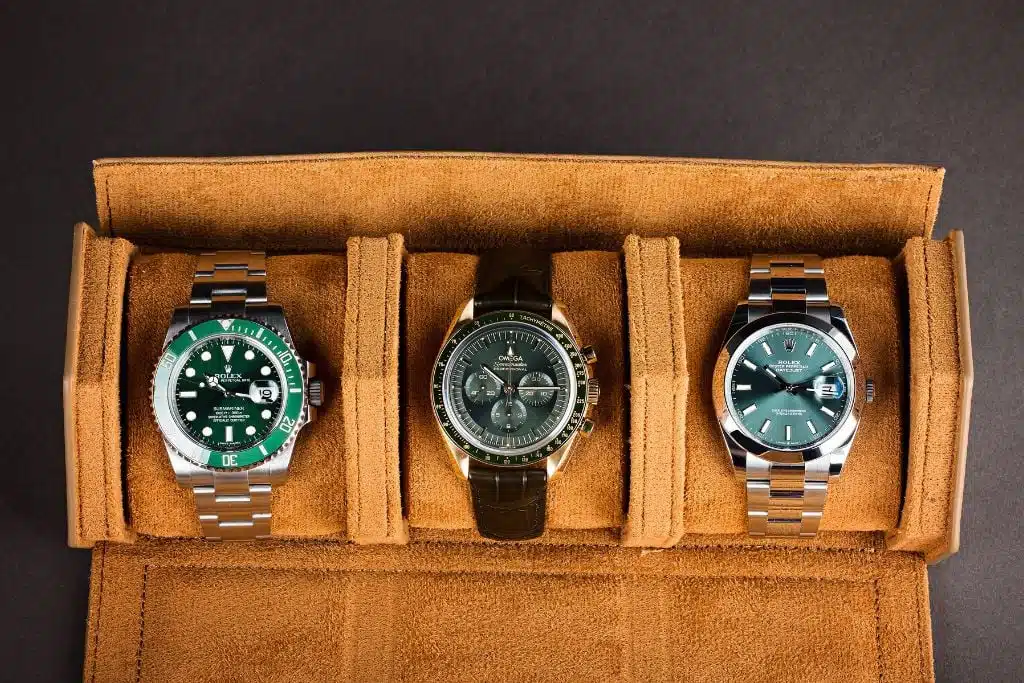
Many manufactures offer the same model in both configurations. You might choose an automatic Omega Seamaster for daily wear and a manual wind Jaeger-LeCoultre Master Ultra Thin for formal occasions. There’s no requirement to pledge allegiance to one camp.
Some collectors even prefer having both types in their rotation. The manual wind watch for weekends and contemplative moments, the automatic for busy workweeks when reliability matters most. When it comes to automatic vs manual wind watches, each serves its purpose, each offers its own pleasures.
In the contest of automatic vs manual wind watches, both movement types share something essential: they’re mechanical marvels, powered not by batteries but by springs and gears, regulated not by quartz crystals but by balance wheels oscillating at 28,800 beats per hour. Both require skill to create, patience to assemble, and artistry to finish.
Rolex’s perpetual rotors, Omega’s Co-Axial escapements, and Jaeger-LeCoultre’s ultra-thin calibers all represent different approaches to the same goal: measuring time through mechanical ingenuity. Whether you wind your watch each morning or let your wrist do the work throughout the day, you’re participating in a centuries-old tradition of precision engineering and artistic craft.
Visit our showroom to experience both automatic and manual wind watches from Rolex, Omega, Cartier, and Jaeger-LeCoultre. Feel the difference for yourself—the resistance of a crown being wound, the weight of a rotor spinning on your wrist. Our specialists can guide you through each movement type and help you discover which mechanical tradition speaks to your heart.
Enjoyed reading? Check out our other blogs here
No account yet?
Create an Account