The power of luxury watches has been apparent for centuries. They have been symbols of status and refinement since the 16th century. The wealthy elite wore intricately decorated pocket watches that showcased their position in society. These accessories have come a long way from bulky timepieces to today’s sleek masterpieces, yet they remain powerful style statements. Quality timepieces last longer than smartphones and modern gadgets, offering better battery life and durability.
Men’s luxury watches do more than just tell time – they create a perfect balance between function and style. These timepieces have grown beyond simple timekeeping and now reflect their wearer’s personality. The value of certain watches tends to increase as time passes, which makes them appealing investments apart from their beautiful designs. Let’s explore how iconic brands like Rolex, Cartier, and others have transformed the industry, and why a fine watch remains the perfect accessory for everything from boardroom meetings to red carpet events.
The experience of timekeeping devices tells one of the most captivating stories in luxury craftsmanship. These complex mechanisms have grown from simple tools into symbols of status and artistic excellence throughout history that express the power of luxury watches.
The remarkable story began with decorative pocket watches in the 16th century. Craftsmen like Abraham-Louis Breguet and Patek Philippe created detailed timepieces with hand-engraved movements and enamel dials. These pieces went beyond function. They showcased the highest level of craftsmanship, and artisans devoted months to perfect each creation.
World War I brought a fundamental change in timepiece history. The battlefield demanded practical timekeeping tools from soldiers, which made wristwatches more popular. Cartier’s Santos (1904), created for aviator Alberto Santos-Dumont, and Rolex’s waterproof Oyster (1926) changed wristwatches from women’s accessories into essential tools for men.
The 1970s Quartz Crisis almost destroyed Swiss watchmaking when Japanese brands dominated markets with affordable battery-powered options. The heritage brands survived by highlighting their craftsmanship and selling mechanical watches as luxury heirlooms. Today’s luxury watchmakers welcome technology while honoring tradition—TAG Heuer’s Connected line combines Android features with Swiss craftsmanship.
Luxury watches serve as powerful cultural symbols beyond their practical use. Many societies view them as markers of success and status that celebrate life’s most important moments. Queen Victoria’s choice of an azure blue pendant watch at the Great Exhibition in 1851 changed Patek Philippe’s future, as European courts rushed to follow her example.
Different cultures attach various meanings to these timepieces. Some people treat watches as investments or family treasures, while others see them as reminders of personal success.

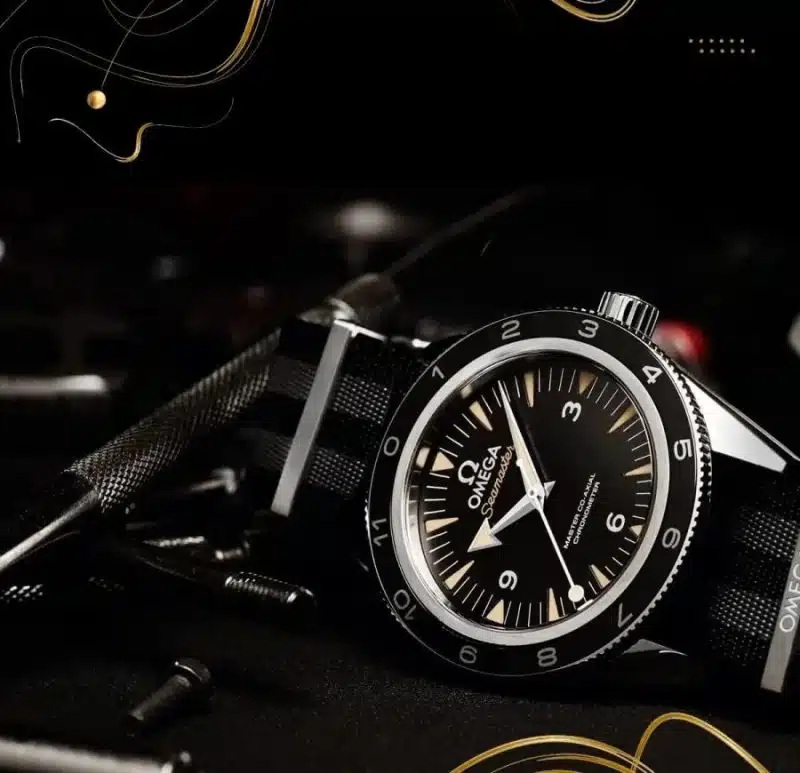
Legendary brands have defined luxury watchmaking. Rolex built its reputation on precision early, earning the world’s first Swiss Certificate of Chronometric Precision for a wristwatch in 1910. Omega became the standard for precision in extreme conditions by timing 29 Olympics and joining astronauts on moon missions, a statement of the power of luxury watches
Patek Philippe excelled at complex mechanisms and introduced the first perpetual calendar in 1889. Audemars Piguet created the Royal Oak in 1972, the first luxury sports watch made from stainless steel. Cartier’s breakthrough came through friendship when Louis Cartier designed the square-cased Santos watch for aviator Alberto Santos-Dumont.
These groundbreaking brands continue to shape the industry with their steadfast dedication to heritage and innovation. They ensure luxury watches remain relevant in our digital age.
Luxury timepieces offer more than just good looks. These masterful creations shine brightest when reliability counts the most.
Our world is filled with endless notifications, but luxury watches give us something we need more than ever—focus. Your smartphone begs for attention all day long, while a fine watch tells time with just a quick look at your wrist. Top executives know this difference well. A quick glance at your wrist keeps you focused during vital meetings without the disruption of notification screens. This clear advantage makes luxury watches valuable tools for professionals who need precise time management to succeed.
Time zones can be tricky for travelers when cell phones reset automatically and create schedule confusion. Setting your Rolex or Cartier to your destination time puts you  in control and removes any doubt about your schedule.
Premium timepieces are built to perform perfectly even in tough conditions. Most mens luxury watches use sapphire crystal glass that stands up to scratches and cracks better than regular materials. These watches also come with stainless steel cases and water resistance ratings that help them handle daily wear and tear that would ruin cheaper watches.
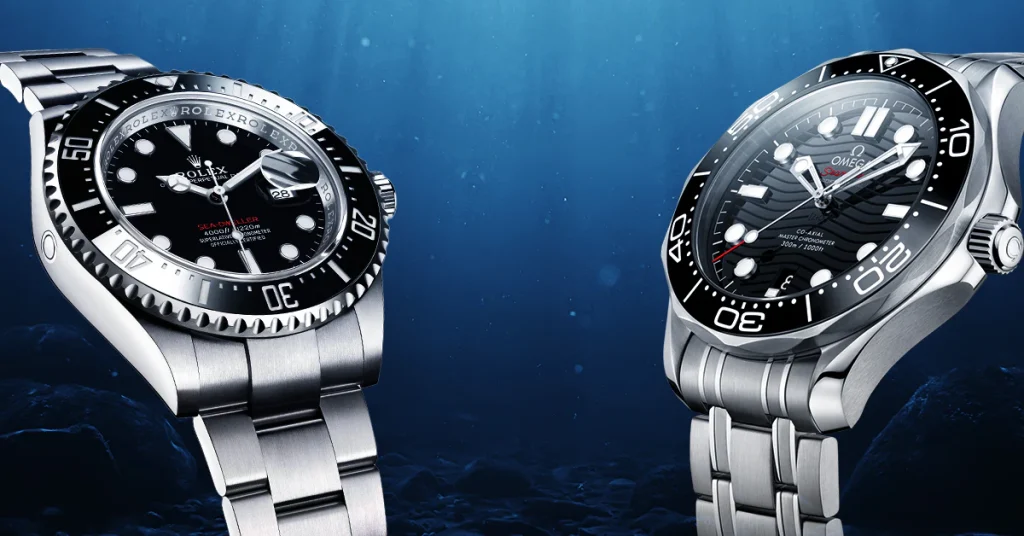
Luxury watch testing goes above and beyond. Rolex encapsulates the power of luxury watches in many ways, but in particular, through testing their diving watches at their guaranteed waterproof depth plus an extra 25%. The famous Submariner, which came out in 1953, promised to stay waterproof down to 100 meters so divers could track time underwater. Later advances brought features like the helium escape valve, which lets watches work even under extreme pressure that professional divers face.
The modern fashion world values fine timepieces as both functional accessories and status symbols. Luxury watches go beyond simple timekeeping and make powerful visual statements that complement any outfit.
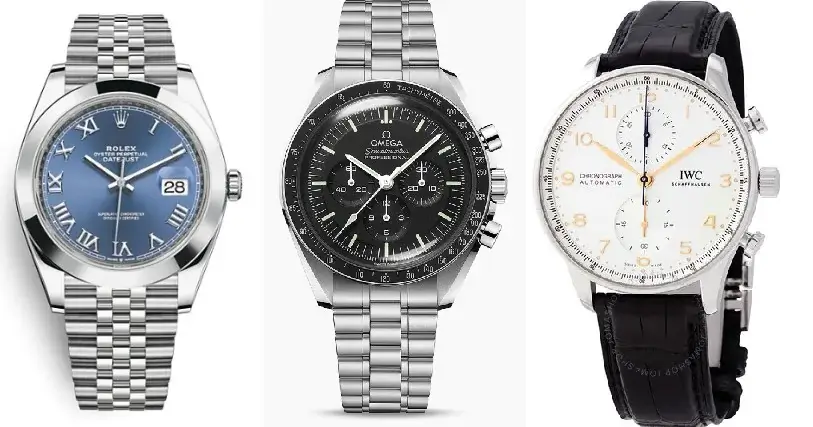
A quality timepiece shapes your presence without flashy displays, adding subtle sophistication instead. The Rolex Submariner or IWC Portugieser brings sharp elegance to business attire. A Rolex Datejust paired with jeans creates a refined yet casual look. These watches work perfectly in boardroom presentations and weekend outfits.
Quality craftsmanship sets luxury watches apart from regular timepieces. The details shine through guilloché engraving, sunburst patterns, and intricate dial work. Men’s luxury watches come with larger faces and solid designs that often include chronographs and tachymeters. Women’s pieces feature more delicate styling with diamond-encrusted bezels and detailed work.
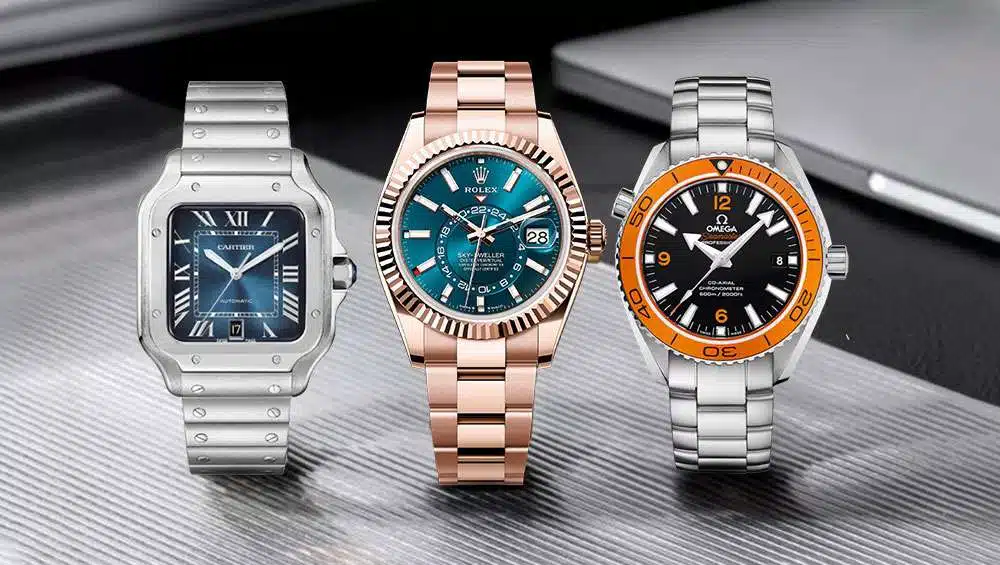
Rolex and Cartier stand at opposite ends of the luxury spectrum. Rolex represents precision, performance, and sports watch prestige by refining proven designs. Cartier celebrates a variety of case shapes and artistic breakthroughs, from the rectangular Tank to the square Santos. Both brands hold excellent resale value, though Cartier provides more affordable entry points.
Size and proportion mark the main difference between men’s and women’s watches. Men’s watches showcase larger faces (creating a 1:1 strap-to-face ratio) and broader straps in masculine colors like tan, blue, and black. Women’s timepieces maintain a 1:3 strap-to-face ratio with slimmer bands that taper at the ends. These pieces often feature precious stones and come in colors like pink, white, and pastel hues.
A luxury timepiece surpasses its basic function and becomes part of your personal experience. These mechanical marvels create connections across generations and might grow in value way beyond their price tags.
Luxury watches tick with a perpetual rhythm that makes them perfect vessels of family traditions. Fine timepieces last longer than modern disposable gadgets. Each scratch and service mark adds to its unique story and creates a strong link between past and present. Your grandfather’s Rolex or your mother’s Cartier Tank carries their experiences right on your wrist—a constant reminder of your heritage.
Prestigious watches have marked life’s important moments for centuries. Many graduation ceremonies end with a quality timepiece gift that symbolizes a new chapter in life. Couples exchange watches to show their commitment to lasting relationships. They often pick models with anniversary-specific gemstones—pearls for 30th, rubies for 40th, sapphires for 45th, and diamonds for 60th anniversaries. Career achievements deserve special timepieces that witness your professional growth.
Luxury watches offer more than emotional value—they can bring impressive financial returns. Limited editions and discontinued models gain value as the need grows higher than availability. High-net-worth collectors see select timepieces as alternative investments. Some vintage models show extraordinary value growth. The collector’s mindset combines passion with practicality—enjoying ownership while watching the value appreciate.
Start collecting with your heart instead of focusing only on profit. Collections without soul lack purpose and direction. In spite of that, brands like Patek Philippe, Audemars Piguet, and Rolex show strong value retention consistently. Keep your collection safe in original boxes or temperature-controlled spaces. Regular servicing helps preserve both function and value. Mix everyday classics with special occasion pieces to build a versatile legacy worth passing down.
The power of luxury watches is evident, they are more than just devices that tell time. Our exploration shows these masterful creations strike a perfect balance between art and function, tradition and innovation, personal meaning and investment value.
Fine timepieces have come a long way from ornate pocket watches to today’s sophisticated models. This development showcases our lasting love for exceptional craftsmanship. Rolex, Cartier, and Patek Philippe have shaped this path by building their legacy on precision, innovation, and designs that never go out of style.
These horological marvels have practical benefits that digital watches can’t match. They help us stay focused in a world full of notifications, and their superior build makes them reliable even in tough conditions. A fine watch does its job perfectly while looking elegant and stylish.
Your wrist companion speaks volumes about your style. A well-chosen timepiece will raise the bar for both business suits and weekend wear with equal grace. Men’s and women’s designs have subtle differences that complement anyone’s personal style perfectly.
Luxury watches mean much more on an emotional level. They become family treasures passed down through generations. These pieces mark life’s big moments – graduations, weddings, promotions – and create lasting links to our personal stories.
Some timepieces turn out to be smart financial choices too. Limited editions and discontinued models from top manufacturers often grow in value. This gives owners both joy and possible returns. Collectors who mix passion with practicality build collections worth inheriting, and that shows the power of luxury watches.
Luxury watches hold a unique place where art, engineering, and personal identity meet. You might see them as useful tools, style statements, emotional connections, or investments. Their appeal surpasses tech trends, making them just as relevant now as centuries ago – true classics that still mark our biggest moments from boardrooms to red carpets.
Enjoyed reading? Check out our other blogs here
No account yet?
Create an Account